Anasayfa : Anasayfa


Our  web site is currently available with new design. We would like to support  our costumers with useful pictures and information. You can have information about production processes, technical brochures etc.


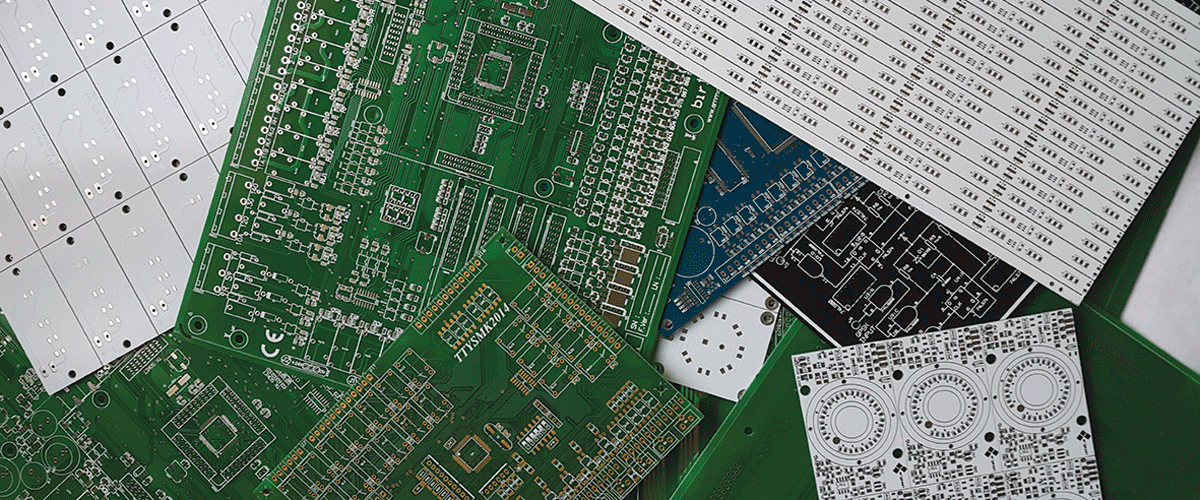
Printed Circuit Board (PCB)

E-mail Print PDF

aliminyum
Base Material : Aluminum
Base material thickness : 1.6 mm
Copper thickness : 35 mCu
a2
Minimum width of water way : 200µ
Minimum isolation width : 200µ
Plaque Thickness : 2.00 mm
Minimum finished hole diameter : 0.5 mm
Base Material : FR4 2 mm 35/35 mCu
cokkatli
Minimum water path width : 120-320µ
Minimum isolation width : 250-520µ
Layer : 8
Plaque Thickness : 1.00 mm
Minimum Finished Hole Diameter : 0.20 mm
Base Material : FR4
Copper Thickness : 35µ Gold Plated
backpanel
Graphical Front-panel : Polyester 130-190 microns
Double-sided adhesive : 100-125 microns
Contact (upper circuit) Metal dome-without metal dome : 100-125 microns
Spacer sticky : 225-275 microns
Sub-circuit : 100-125 microns
Double-sided adhesive : 100-125 microns


Membrane


 Flexible Membrane Keyboards/ Flexible Keypads 

A membrane switch is an electrical switch for turning a circuit on and off. It differs from a mechanical switch, which is usually made of copper and plastic parts: a membrane switch is a circuit printed on PET or ITO. The ink used for screen printing is usually copper /silver / graphite filled and therefore conductive.

  Membrane switches are user-equipment interface utilities that allow for the communication of commands from users to electronic devices. Membrane switches can be thought of as one category of interface utilities alongside touch screens, plastic keyboards, toggle switches and many other kinds of control systems. Interface utilities can be as simple as tactile switches for controlling lighting, and they can be as complicated as membrane keyboards and switch panels for use with computers.


Read more...

Stencil/ Steel Braided

  stc2  stc3  stc1  st4  stc5


 SMT Stencil / Steel Braided Technical Specifications:

Material thickness 30-600 microns.

Max. Cutting Area 600 x 700 mm (23.6 x 23.6 inch)

Max. Sheet Size 850 x 800 mm (33.5 x 31.5 inch)

Resolution 0.5 microns.

Position accuracy of ± 10 microns.

Repeatability ± 2 microns.

Taper from 0 to 2.0 °

The smallest aperture 40 microns.

The small bridge 100 microns.

ELEKTROLYTIC POLISHING:

     By a specific electro-chemical  process, the smoothness  of  cutting walls is provided to be smaller then one micron. The smooth  surfacemakes seperation of cream solder and stencil easier. Through this process, sieve cleaning period, which is need during the production, is significantly lengthened.

     Also with this process, the micro-burrs, which are occured during the cutting, are cleaned.  As a result, quality of printing is increased and a smooth, shiny and easy clean surface is provided.


Â